For sellersLegal and paperwork
Selling your home on instalments in Egypt: how the law protects you
 Feinh Editorial Team
Checked on · 7 min read
The short answer
You can sell a home in Egypt on instalments and keep ownership until the last payment: Article 430 of the Civil Code allows it even after handover. Add an express cancellation clause under Article 158 and take crossed cheques, because under Article 503 of the Commercial Law an uncrossed post-dated cheque must be paid if presented early. You still owe the 2.5% disposal tax on the full price within 60 days of the sale.
Key numbers
- Article 430Of the Civil Code lets you keep ownership until the price is fully paid, even after handover
- Article 158Allows a clause cancelling the sale without a court judgment if the buyer doesn't pay
- CrossedOnly crossed and government cheques wait for their stated date (Commercial Law, Art. 503)
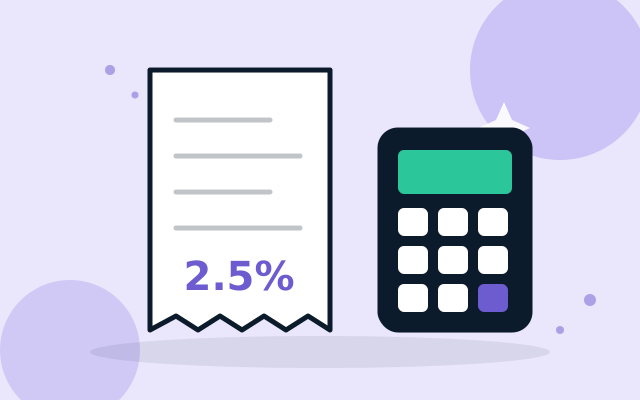
- 2.5%Disposal tax on the full sale value, due within 60 days of the sale
In this guide (9)
- Why sellers offer instalments
- How to structure an instalment offer
- What the Civil Code gives you
- Cheques, promissory notes and trust receipts
- When to hand over the keys and sign the final contract
- Tax on an instalment sale
- What your instalment contract must include
- Have a lawyer draft the contract
- Next step
Why sellers offer instalments
Many buyers can pay a large part of the price but not all of it at once. A short instalment plan lets them buy from you, and Egyptian law gives you tools to stay protected while you wait for the rest. The protection comes from your contract and the papers you take, so this guide walks through what the law says and how to use it.
How to structure an instalment offer
Three settings keep your risk low:
- A large down payment. The more you hold on day one, the less you can lose if the buyer stops paying.
- A short term. A few years, not a decade, limits how long you're exposed.
- A price that reflects the wait. Money paid later is worth less than cash today, so an instalment price is usually higher than the cash price.
An illustration only, not a market rate. Say your cash price is EGP 5,000,000:
| Cash | Instalments (illustration) | |
|---|---|---|
| Price | EGP 5,000,000 | EGP 5,400,000 |
| Due at signing | EGP 5,000,000 | EGP 2,700,000 (50%) |
| Balance | None | 12 quarterly instalments of EGP 225,000 over 3 years |
Set the cash price first; a free valuation helps.
What the Civil Code gives you
The Civil Code (Law 131 of 1948) protects a seller paid over time, but only as far as your contract uses it.
| Article | What it says | What it means for you |
|---|---|---|
| 430 | If the price is deferred, the seller may agree that ownership passes only when the whole price is paid, even after handover. With instalments, the parties may agree the seller keeps part of what was paid as compensation if the sale is cancelled; the judge may reduce it. When all instalments are paid, ownership is treated as passing from the date of the sale. The same applies even if the parties call the sale a lease | Write retention of title, and what you keep on cancellation, into the contract, and keep that amount reasonable |
| 157 | If one party doesn't perform, the other may, after formal notice, ask for performance or cancellation, with damages where due. The judge may give more time, or refuse cancellation if what's unpaid is minor compared with the whole | Without a stronger clause, a judge decides |
| 158 | The parties may agree the contract is cancelled automatically, without a court judgment, if obligations aren't met. Formal notice is still needed unless the contract expressly waives it | Add an express cancellation clause, and say whether notice is waived |
| 160 | On cancellation, both parties go back to where they were before the contract; if that's impossible, compensation may be awarded | You get the home back and return what was paid, less what the contract lets you keep |
| 459 | Where any part of the price is due now, the seller may hold back the property until it's paid, unless the seller gave time after the sale | Don't hand over before the down payment has cleared |
Registration and unregistered homes
Under Article 9 of the Real Estate Registration Law (Law 114 of 1946), rights of ownership over property are created and transferred only by registration; an unregistered contract creates only personal obligations between the parties. Many homes in Egypt are sold on unregistered contracts, so in practice keeping title means holding back the final contract, the sale power of attorney or the developer's transfer until the last instalment.
The Commercial Law rules on instalment sales
The Commercial Law (Law 17 of 1999) has its own rules for instalment sales in Articles 105 and 106: for example, a court may not cancel the sale once the buyer has performed 75% of their obligations, and an agreement that the whole balance falls due on a missed instalment takes effect only after two consecutive missed instalments. Under Article 104, these rules apply when the sale is commercial for both parties or for one of them. A private owner selling their home to another individual is usually outside them, but ask your lawyer whether they could apply to your sale.
Cheques, promissory notes and trust receipts
Sellers usually take a paper for each instalment. They are not equally strong.
| Paper | What the law says | What to know |
|---|---|---|
| Post-dated cheque | Issuing a cheque without sufficient funds, or stopping it outside the cases the law allows, is a crime under Article 534 of the Commercial Law | If you settle with the buyer at any stage, the criminal case ends (Art. 534) |
| Promissory note (kambiala or sanad lil-amr) | Governed by the rules for bills of exchange, including protest and time limits (Art. 470). No criminal penalty for non-payment | The law sets short deadlines to protest non-payment and limits on how long you can sue, so act promptly with your lawyer |
| Trust receipt (eisal amana) | Designed for things handed over on trust, not for an unpaid price | Don't rely on it as your main guarantee; ask your lawyer |
Watch the dates on cheques. Under Article 503(2) of the Commercial Law, as amended by Law 156 of 2004, a cheque presented before the date written on it must be paid on the day it's presented. Only crossed cheques (two parallel lines across the face, Article 515) and government cheques are payable just on their stated date. A crossed cheque can be paid only to a bank or to a bank's customer (Article 516).
When to hand over the keys and sign the final contract
Article 430 lets you keep ownership after handover, so the keys can go before the last payment. The question is how much risk you accept.
- Hand over the keys only after the down payment has cleared in your bank account and you hold papers for the whole balance.
- Record the handover in a signed document: meter readings, keys and the home's condition.
- Sign the final contract, power of attorney or developer transfer only after the last instalment. On an unregistered home, that's your real protection.
Taking the first deposit is covered in our guide to the arboun and closing a sale.
Tax on an instalment sale
You pay the real estate disposal tax of 2.5% of the total sale value, with no deductions, within 60 days of the date of the sale (Article 42 of the Income Tax Law, as replaced by Law 151 of 2026). The Tax Authority's system uses the sale date and value written in your contract, and lists instalment sales among the cases with their own documents to upload. You receive the price over time but owe tax on all of it, so set it aside from the down payment. Partial payment is possible, but any part unpaid after 60 days attracts the late charge. See taxes and fees when you sell.
What your instalment contract must include
Have a lawyer draft the contract
Courts apply these articles to the facts and the exact wording of your contract, so have a lawyer draft it and check the cheques or notes before you sign. If you're weighing instalments against a lower cash price, read competing with developer payment plans.
Next step
Start with the right cash price: get a free valuation, then state your instalment terms when you list your property on Feinh.
General information from official sources, checked on 31 October 2026. Not legal advice; for your own case, ask a lawyer or the office named above.
Estimate what you keep from the sale
Enter the expected price and the costs that apply to you.
- Disposal tax
- Agent commission
- Developer transfer fee
- Unpaid instalments taken over
- Other costs
- What you keep
An estimate, not tax advice. Commission is whatever you agree with your agent in writing, and transfer fees vary by developer. Set any cost to 0 if it doesn't apply to you.
Questions people ask
Can I sell my apartment on instalments in Egypt?
Yes. Nothing stops a private seller from agreeing an instalment price with a buyer. Protect yourself with a large down payment, a short term, retention of title until the last instalment, an express cancellation clause and crossed cheques, all in a contract drafted by a lawyer.
Who owns the apartment until the last instalment is paid?
Under Article 430 of the Civil Code, the seller may agree that ownership passes only when the whole price is paid, even if the buyer already has the keys. Since ownership passes only on registration (Law 114 of 1946, Article 9), for an unregistered home this works in practice by signing the final contract, power of attorney or developer transfer only after the last instalment.
What happens if the buyer stops paying the instalments?
Without a special clause, you send formal notice and ask a court to cancel the sale under Article 157 of the Civil Code, and the judge may give the buyer more time. With an express cancellation clause under Article 158, the contract can be cancelled without a judgment, though formal notice is still needed unless the contract expressly waives it.
Are post-dated cheques safe when selling property in Egypt?
They're a strong guarantee, because issuing a cheque without funds is a crime under Article 534 of the Commercial Law. Ask for crossed cheques: under Article 503(2), an uncrossed cheque presented before its date must be paid when presented, while a crossed cheque is payable only on its stated date.
When do I pay the tax on a home sold on instalments?
Within 60 days of the date of the sale in your contract, on the full sale value at 2.5%, even though you'll receive the price over time. Set it aside from the down payment. Partial payment is possible, but anything unpaid after 60 days attracts the late charge.
Your next step
Compare local agents and ask up to three for a free valuation.
Sources and review
- Civil Code, Law 131 of 1948, Articles 157, 158, 160, 430 and 459 (checked 31-10-2026)
- Real Estate Registration Law, Law 114 of 1946, Article 9 (checked 31-10-2026)
- Commercial Law, Law 17 of 1999, Articles 104 to 106, 470, 503, 515, 516 and 534 (checked 31-10-2026)
- Law 156 of 2004 amending the Commercial Law (Article 503, paragraph 2) (checked 31-10-2026)
- Egyptian Tax Authority: Law 151 of 2026 amending the Income Tax Law, Official Gazette issue 30 bis (A), 28 July 2026 (Article 42) (checked 31-10-2026)
- Egyptian Tax Authority: FAQ guide to the real estate disposals system and app, October 2026 (Arabic) (checked 31-10-2026)
- Egyptian Tax Authority: correction to Law 151 of 2026 confirming the article number is 42 (Official Gazette, issue 32 bis, 8 August 2026) (checked 31-10-2026)
Written by the Feinh Editorial Team and checked against these sources on 31-10-2026.
This guide is general information, not legal, tax or financial advice. Rules and fees change, so confirm the figures for your case with a lawyer or the relevant authority before you sign or pay. Spotted something out of date? Tell us.