For sellersLegal and paperwork
The documents you need to sell a property in Egypt: the official checklist
 Feinh Editorial Team
Checked on · 6 min read
The short answer
To sell a home in Egypt you need your national ID, your proof of title (a registered deed, or every contract from the first owner to you) and, for the 2.5% tax, the sale contract and ownership papers the Tax Authority asks for. Registering the sale also needs an official digital map with the home's coordinates (Law 114 of 1946, Article 22, as amended in 2022). Heirs must first register the inheritance, and anyone signing for you needs a special power of attorney (Civil Code, Article 702).
Key numbers
- 4 itemsRequired in a registration application: IDs, digital map, title document, rights declaration (Law 114, Article 22)
- No feeTo register heirs' inheritance, which must come before any sale by an heir is registered (Law 114, Article 13)
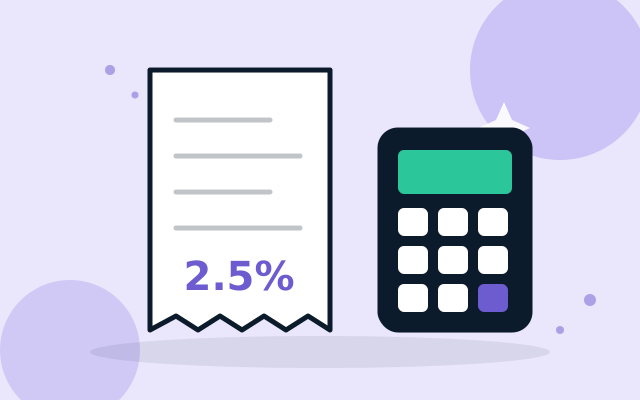
- 2.5%Tax on the full contract price, paid by the seller, heirs included (Income Tax Law, Article 42)
- 60 daysTo pay it from the date of the sale, since Law 151 of 2026
In this guide (9)
Why the papers decide the sale
In Egypt, a buyer isn't only buying the home. They're buying the right to it, and the law says where that right lives. Under Article 934 of the Civil Code and Article 9 of the Real Estate Registration Law (Law 114 of 1946), ownership of property passes only on registration, and an unregistered contract creates only personal obligations. So a buyer's lawyer will ask for papers that show who owns the home, how ownership reached you, and that you can sign.
Gather everything before you list. A missing link is far easier to fix before you've taken a deposit than after.
Every seller needs these
What registering the sale will need
Your buyer will usually file the registration, but it needs you. Under Article 21 of Law 114 as amended by Law 9 of 2022, the application goes to the Registry office for the area where the home is, signed by the seller or the buyer, and can be filed electronically where that's available. Article 22 lists what it must contain:
Under Article 22 bis, the application isn't entered until it's complete and comes with the draft deed. Once reviewed, the deed is notarised and the Registry office completes the registration within 7 days of receiving it (Article 28). Fees are set by Law 70 of 1964 on notarisation and registration fees, as amended; ask the office for the total before you file.
If your home isn't registered
That's common, and it doesn't stop a sale. What matters is an unbroken chain of contracts, and the law now gives a route to register it.
Under Article 10 bis of Law 114, possession in good faith backed by a contract, even an unregistered one, for five years can be registered. The Registry office investigates within 30 days and a three-member committee decides within 7 days (Article 23 bis), for a fee the law caps at EGP 500 plus publication and travel costs. This route doesn't apply to vacant land.
If someone signs for you
If you're abroad, ask the Egyptian embassy or consulate whether it can issue the power of attorney, and confirm with the Registry office that it will accept it.
If you inherited the home
Each heir who sells pays the 2.5% tax on their own share: the Tax Authority asks each heir to file from their own account with the inheritance determination.
If it's a developer unit
Under Article 15 of the Consumer Protection Law (Law 181 of 2018), a sale contract may not include a clause giving the seller a percentage, fee or commission out of the price when the buyer later sells, and such a clause is void. Ask your lawyer how this applies to your contract's transfer terms. Our guide to selling off-plan before delivery covers the process.
The papers for the 2.5% tax
Under Article 42 of the Income Tax Law (Law 91 of 2005), as replaced by Law 151 of 2026, you pay 2.5% of the full price in the contract, with no deductions, within 60 days of the sale, whether or not it's registered. The tax applies to an heir selling an inherited home too. The Egyptian Tax Authority's real estate disposals system, now open in Greater Cairo and Alexandria, asks for:
Once you've paid, you can download a clearance certificate that the buyer can verify online with its number and a national ID. The Tax Authority's hotline is 16395. Our guide to taxes and fees when you sell works through the numbers.
Your file, in one list
When your file is ready, list your property on Feinh: it's free for owners and checked by our team before it goes live.
General information from official sources, checked on 31 October 2026. Not legal advice; for your own case, ask a lawyer or the office named above.
Keep your checklist
Tick each document as you gather it. Your ticks stay on this device, and you can print the list for your lawyer or agent.
Questions people ask
Can I sell an apartment in Egypt that isn't registered?
Yes. An unregistered sale contract binds you and the buyer personally (Law 114 of 1946, Article 9), so you can sell with the full chain of contracts. Your buyer can later register, including through five years of good-faith possession backed by a contract (Article 10 bis).
What does the Real Estate Registry need to register a sale?
Under Article 22 of Law 114 as amended in 2022: each party's identity and authority, an official digital map with the home's coordinates, the document the title rests on, and a declaration of any rights over the home. The application must come with the draft deed (Article 22 bis).
Can I sell my property in Egypt with a power of attorney?
Yes, if it's a special power of attorney. Under Article 702 of the Civil Code, selling needs a special power because it isn't an act of administration. Naming the exact home is a sensible extra safeguard.
How do heirs sell an inherited apartment?
First register the inheritance at the Real Estate Registry, free of fee, with the inheritance determination and the deceased's title (Law 114, Articles 13, 48 and 49). Every heir signs the sale or gives a special power of attorney, and each heir pays the 2.5% tax on their share.
How do I pay the 2.5% tax when I sell?
Within 60 days of the sale (Income Tax Law, Article 42, as replaced by Law 151 of 2026). In Greater Cairo and Alexandria, the Tax Authority's real estate disposals system lets you register the sale, upload the contract and ownership papers as PDFs, pay by card or at a bank branch, and download a clearance certificate.
Your next step
Free in November and December 2026, and checked by our team like every other home.
Sources and review
- Court of Cassation legislation portal: Real Estate Registration Law, Law 114 of 1946, as last amended on 6 March 2022 (Articles 9, 10 bis, 13, 21, 22, 22 bis, 23 bis, 28, 48, 49) (checked 31-10-2026)
- Court of Cassation legislation portal: Law 9 of 2022 amending the Real Estate Registration Law (Official Gazette, issue 9 bis (A), 6 March 2022) (checked 31-10-2026)
- Court of Cassation legislation portal: Civil Code, Law 131 of 1948 (Articles 419, 433, 702, 934) (checked 31-10-2026)
- Court of Cassation legislation portal: Law 70 of 1964 on notarisation and registration fees, as last amended on 13 June 2021 (checked 31-10-2026)
- Egyptian Tax Authority: Law 151 of 2026 amending the Income Tax Law, Article 42 (Official Gazette, issue 30 bis (A), 28 July 2026) (checked 31-10-2026)
- Egyptian Tax Authority: correction to Law 151 of 2026 confirming the article number is 42 (Official Gazette, issue 32 bis, 8 August 2026) (checked 31-10-2026)
- Egyptian Tax Authority: frequently asked questions on the real estate disposals system (October 2026) (checked 31-10-2026)
- Egyptian Tax Authority: taxpayer guide to the real estate disposals system (checked 31-10-2026)
- Court of Cassation legislation portal: Consumer Protection Law, Law 181 of 2018 (Article 15) (checked 31-10-2026)
Written by the Feinh Editorial Team and checked against these sources on 31-10-2026.
This guide is general information, not legal, tax or financial advice. Rules and fees change, so confirm the figures for your case with a lawyer or the relevant authority before you sign or pay. Spotted something out of date? Tell us.